
Common Appliance Problems in Foxboro Homes
A washing machine that won't drain in a Foxboro basement can send water across a concrete floor and toward stored belongings before anyone upstairs notices. Many of the single-family homes in town have laundry hookups tucked into tight basement corners, and a failed drain pump or a kinked hose behind an older top-loader turns into a cleanup project fast.
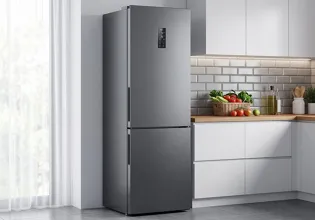
- Refrigerators that stop cooling — often the condenser coils are caked with dust, especially in kitchens where the fridge sits flush against a wall with almost no clearance behind it.
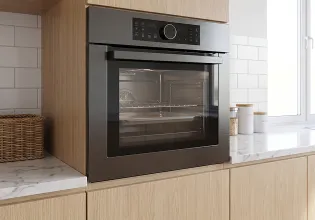
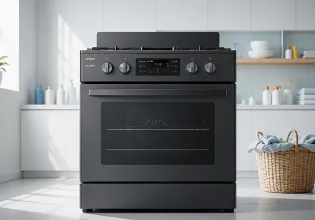
- Gas ovens or stoves that won't hold temperature. In older Foxboro homes, we sometimes find the igniter has weakened gradually, so the burner lights but cycles off too soon.
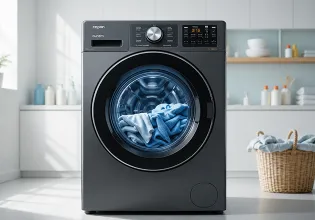
- Washers leaking from the door seal or not spinning out properly — worth checking the load balance and the drain filter before assuming the worst.
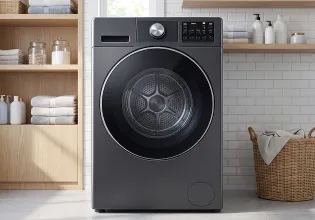
- Dryers running a full cycle but leaving clothes damp. A long vent run through a basement wall, common in split-level and raised-ranch layouts around town, often restricts airflow enough to cut heating performance in half.
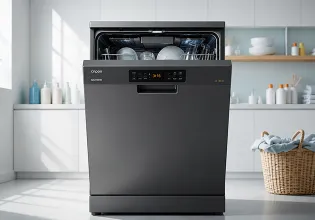
- Dishwashers that leave standing water at the bottom after a cycle, usually caused by a clogged drain hose or a failing pump.
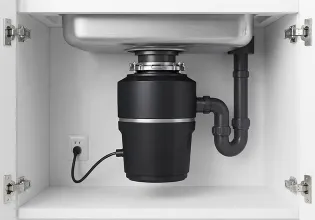
- Garbage disposals that hum but won't turn — a jammed flywheel is the usual culprit, though in some older plumbing setups the unit may trip its reset repeatedly because of a wiring issue at the outlet.
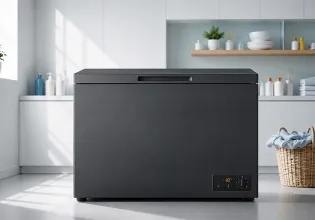
- Freezers building heavy frost on the back wall, which usually points to a defrost timer or heater problem rather than a door seal.
Local Utility, Permit, Safety, and Disposal Factors in Foxboro
When an appliance repair crosses into replacement territory — or when the job involves gas, electrical, or plumbing connections — Foxboro homeowners run into town-level rules that are easy to overlook. The permit side matters most here, and it touches more appliance jobs than people expect.
If you're replacing a gas stove, a gas dryer, or any appliance that connects to a gas line, the installer has to pull a gas permit from the Foxboro Building Department before the work begins. That's not optional. Electrical permits are also required for appliance installations that involve new wiring or circuit changes, and plumbing permits apply when a dishwasher or garbage disposal installation alters water supply or drain connections. Under the Massachusetts State Plumbing and Gas Code, all gas fitting must be done by a licensed gas fitter, and plumbing work must be performed by a licensed plumber. Ask your installer to confirm they've obtained the permit before they start — it's the simplest way to verify the work will be done to code.
Building Department
40 South Street
Foxboro, MA 02035
Phone: (508) 543-1215
Official Website
Safety is the other angle that comes up often, especially around gas appliances and dryers. The Foxboro Fire Department enforces residential fire prevention rules in town, and dryer lint buildup is one of the most common fire hazards they address. If your dryer vent hasn't been cleaned in a year or more, that's worth scheduling before a repair visit — a clogged vent can mimic a heating failure and also creates a genuine fire risk. For homes with gas stoves, ovens, or dryers, the Massachusetts State Fire Code requires working carbon monoxide detectors on every level. Check yours when you notice any gas appliance behaving strangely — a burner that won't stay lit or an unusual smell near the stove.
Foxboro's water and sewer system is municipally operated, which means dishwashers, washing machines, and garbage disposals all connect into the town's own infrastructure. The Foxboro Water and Sewer Department manages that system. If you're having a garbage disposal installed or replaced, it's worth being aware that local sewer guidelines may apply to how the unit drains. A technician who knows the town's plumbing norms can save you a callback.
What Makes Appliance Repair in Foxboro Different
Foxboro is a New England town where the housing stock ranges from colonials and capes built in the mid-twentieth century to newer subdivisions with open-concept kitchens. That mix means a technician might work on a gas range tucked into an alcove with barely enough room to pull it out, then drive to a newer home where the challenge is a built-in wall oven mounted at an awkward height. The older homes often have electrical panels that were sized for a different era — limited breaker capacity can complicate a straightforward appliance swap if the new unit draws more power than the old one.
What also sets Foxboro apart from neighboring towns is how tightly the permit, disposal, and safety systems overlap on a single replacement job. Swapping out a gas dryer, for example, can require a gas permit from the Building Department, a scheduled bulky-item pickup through the DPW for the old unit, and a vent inspection to satisfy fire prevention guidance — three separate town touchpoints for one appliance. A repair that keeps the existing dryer running avoids all of that.
Appliance Replacement and Household Equipment Considerations in Foxboro
When a repair no longer makes financial sense — the compressor is gone on a fifteen-year-old refrigerator, or the drum bearing on a washer costs more than the machine is worth — the next steps in Foxboro involve more than just ordering a new unit.
Getting rid of the old appliance is not as simple as wheeling it to the curb. Large appliances like refrigerators, freezers, washers, and dryers require a separately scheduled pickup through Foxboro DPW bulky item disposal. You can't leave them out with regular trash. Refrigerators and freezers face additional disposal rules because they contain refrigerants that must be handled under state and federal environmental regulations. Plan for a gap between when the old unit comes out and when it actually gets hauled away — that dead fridge may sit in your garage for a few days.
On the installation side, a new gas range or gas dryer means the contractor needs to secure a gas permit from the Building Department before connecting the appliance. The same applies to plumbing permits for a new dishwasher or garbage disposal that changes the existing water supply or drain setup. These permits must be pulled by a licensed contractor under Massachusetts law, so confirm that your installer handles the paperwork as part of the job. If they don't mention permits, ask directly.
Massachusetts residents are also protected under Massachusetts Consumer Protection Law Chapter 93A, which prohibits unfair or deceptive practices by service providers, including appliance repair and installation companies. If a repair quote seems inflated or a contractor cuts corners on permit requirements, Foxboro homeowners have the right to file a complaint with the Attorney General's office.
Department of Public Works
6 Fisher Street
Foxboro, MA 02035
Phone: (508) 543-1215
Official Website
Areas We Serve Throughout Foxboro
We provide appliance repair service to homes throughout Foxboro, MA. The town's mix of older neighborhoods and newer residential areas means we see a wide range of layouts, appliance ages, and access situations on any given day. Whether your home is near the town common or on a quieter road closer to the Mansfield or Sharon lines, we service all residential properties in Foxboro.
Because no official neighborhood or district boundaries apply here, we want to give a practical sense of what we encounter across town:
- Homes near Foxboro center — Older capes and colonials often have compact kitchens where pulling out a range or refrigerator means working around tight cabinet clearances. Gas line shutoff valves in these houses sometimes sit behind the appliance itself, so access matters.
- Properties along the Route 140 corridor — A mix of housing ages; dryer vents in split-level homes here often run longer distances through interior walls, which reduces airflow and leads to heating complaints.
- Residential streets near Cocasset River areas — Some older homes in lower-lying sections have basement laundry setups where washer drain hoses connect to older standpipes. A slow drain there usually points to a partial clog in the standpipe, not the washer itself.
- Newer subdivisions on the south side of town — These homes tend to have builder-grade appliances that hit their end of life around the same time across the neighborhood. We often see clusters of dishwasher pump failures or refrigerator compressor issues in developments built within a few years of each other.
- Homes near Gillette Stadium area — Residences closer to the stadium complex tend to be newer construction with open kitchens and built-in appliances. Wall ovens and cooktop combinations are more common here, and accessing the wiring behind a wall oven usually requires removing the unit from its cabinet housing entirely.
- Properties near Lakeview and Sunset Lake — Seasonal humidity near the ponds can accelerate condenser coil corrosion on outdoor-vented refrigerators and contribute to musty smells in front-load washers that don't get left open between cycles.
- Older homes near the Wrentham town line — Ranch-style homes from the 1960s and 1970s are common in this area, often with original electrical panels that may not support a modern high-draw appliance without a circuit upgrade. Worth checking breaker capacity before scheduling a replacement install.
- Residences along Chestnut and Central Street areas — These tend to be well-maintained older homes where the kitchen appliances have been updated at different times. Mismatched gas and electric setups — a gas stove next to an electric oven, for example — sometimes create confusion about which permit type applies during a replacement.